“I’m not against oil or gas per se — I’m just against setting it on fire. ”
— Mark Campanale
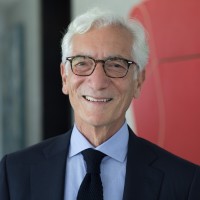
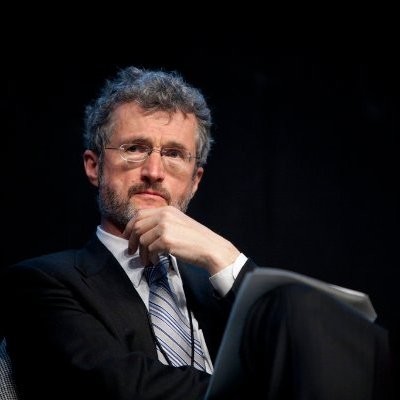
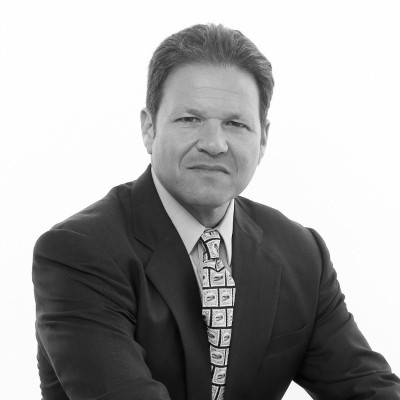
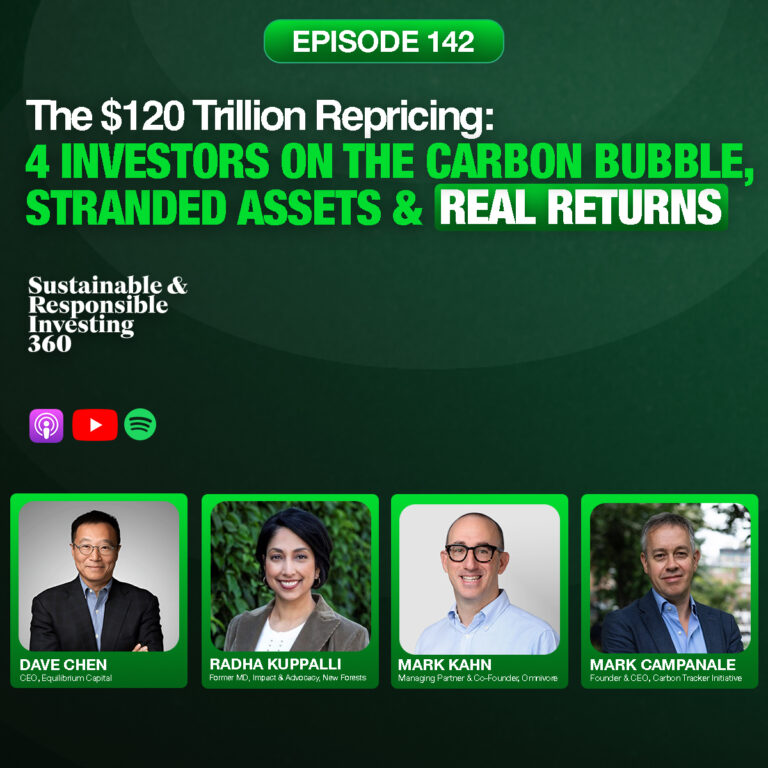
In this compilation episode, I revisit conversations with four investors who put real money to work in the physical economy, across greenhouses, Indian agrifood, forests, and the fossil fuel reserves sitting on public markets. They approach climate from very different asset classes, and the contrast is the point.
Here are the guests featured in the episode:
Dave Chen — Equilibrium Capital: farming as infrastructure
Dave Chen, CEO of Equilibrium Capital, treats controlled-environment agriculture the way others treat data centers or toll roads. Equilibrium is now among the largest owners of greenhouses in North America, and Chen is candid that in the earliest strategies they were the farm team as well as the owner — fully vertically integrated — because the expertise to run these assets at scale did not yet exist. He talks about “distributed abundance”: once you can grow food in a climate-controlled box, you unhook agriculture from geography and weather, the way Russia built out greenhouses to grow tomatoes through cold, dark winters. But he is disciplined about technology risk. Equilibrium is a real-assets investor, not a venture fund, so it watches the S-curve and only moves on a technology once it has crossed into cost-competitiveness — because, as he puts it, no matter how much technology you put into a salmon, it is still a salmon, and you still have to hit the commodity price point.
Listen to the full episode here
YouTube episode here
Mark Kahn — Omnivore: adaptation over mitigation
Mark Kahn, Managing Partner and CO-FOUNDER of Omnivore, India’s pioneering agrifood venture firm, is blunt about why his newest fund leans into climate adaptation rather than mitigation. Mitigation is sexy, he says, but adaptation is a matter of survival: India is heading toward being too hot to farm, and the work now is building parachutes rather than pretending the cliff is not there. Omnivore recast six investment themes into four clean business models — digital value chains, rural fintech, emerging technologies, and sustainable brands — and runs a strict discipline underneath the impact mission. It is a financial-first fund with a fiduciary duty to non-impact LPs, so between a 70% IRR deal and a 40% deal, the 70% wins every time; but nothing gets done unless it also fits the theory of change. His screen is classic venture — team, TAM, tech, traction — with team first, second, and third.
Listen to the full episode here
YouTube episode here
Radha Kuppalli — New Forests: one forest, two revenue streams
Radha Kuppalli, Former Managing Director, Impact and Advocacy, at New Forests, a sustainable forestry manager overseeing billions across Australia, New Zealand, the US, and Southeast Asia, explains why forestry is unlike almost any other real asset: if the market falls, you can leave the tree on the shelf and it keeps growing, becoming more valuable. New Forests underwrites to a real hurdle rate — historically 6–7% real in Australian forestry — by building balanced exposure across softwood, hardwood, and export log markets, then layering in carbon. In the US, the California cap-and-trade market turned certain forests into two assets at once: timber to harvest and carbon to sell, provided the carbon stock is protected for a hundred years. It creates, as she describes it, an optimization problem — managing the same forest for sustainable timber harvest and climate mitigation, as a genuinely new revenue stream.
Listen to the full episode here
YouTube episode here
Mark Campanale — Carbon Tracker: unburnable carbon
Mark Campanale, founder of the Carbon Tracker Initiative, conceived the “unburnable carbon” thesis — the idea that the world’s fossil fuel companies own far more carbon in their reserves than can ever be burned within any safe climate budget. Chevron, Exxon, and BP alone control around a thousand gigatons of CO2 in reserves; add governments and it is a game of musical chairs with one chair and seven players. The financial version is stark: the market cap of the world’s coal, oil, and gas companies is roughly $7–8 trillion, while the value of their reserves at today’s prices is around $120 trillion — a gap the market is quietly pricing as reserves that will never be developed. Since the argument hit Wall Street and the City of London, he notes, the reserve life of the global oil and gas sector has roughly halved, from 50 years to under 23. His deeper point: we are setting fire to a resource that took hundreds of thousands of years to create, when it could be worth far more converted into specialist plastics, pharmaceuticals, and industrial materials.
Listen to the full episode here
YouTube episode here
Listen to the full compilation episode.
–
Listen to the episode on Apple Podcasts, Spotify, Overcast, Podcast Addict, Pocket Casts, Castbox, YouTube Music, Amazon Music, or on your favorite podcast platform. You can watch the interview on YouTube here.



What was your favorite quote or lesson from this episode? Please let me know in the comments.
SHOW NOTES:
[03:33] Dave Chen (Equilibrium): investor-operated greenhouses
[06:12] Returns as operating income plus exits
[07:13] The controlled-environment food strategy
[07:39] The three categories of greenhouse crops
[08:43] North America now, Europe and Asia next
[10:06] Technology obsolescence, and the data-center analogy
[11:38] Inflection points and the S-curve
[13:04] Distributed abundance: unhooking food from geography
[15:21] Dave Chen’s closing thought
[16:31] Radha Kuppalli (New Forests): timber as an asset class
[18:52] Mass timber in high-rise construction
[21:52] Why forestry returns aren’t fully correlated
[24:19] Underwriting to a hurdle rate across three markets
[27:02] How the approach differs by region
[28:19] Carbon finance and the California market
[30:59] Carbon as a whole new revenue stream
[31:22] Mark Kahn (Omnivore): adaptation vs mitigation
[33:14] Omnivore’s four business models
[36:30] Financial-first, inside a theory of change
[37:18] Sourcing, and the venture “river”
[39:11] The screen: team, TAM, tech, traction
[44:45] Measuring impact deal by deal
[45:35] Mark Campanale (Carbon Tracker): the unburnable carbon thesis
[47:20] Stranded assets and wasted capital
[48:11] Carbon Tracker vs Planet Tracker
[48:43] The theory of change: aligning financial markets
[54:20] The back-of-the-envelope origin story
[56:57] Norway’s oil fund begins divesting
[57:42] Bill McKibben and the divestment movement
Additional Resources:
- Dave Chen on LinkedIn
- Equilibrium Capital website
- Mark Kahn on LinkedIn
- Omnivore website
- Radha Kuppalli on LinkedIn
- New Forests website
- Mark Campanale on LinkedIn
- Carbon Tracker website
MORE QUOTES FROM THE INTERVIEWS:
“If it’s a choice between one deal that is…a 70% IRR deal and another deal that’s a 40% IRR deal, irrespective of the difference in impact, I will always do the 70% deal, because I have a fiduciary responsibility to my non-impact LPs. ”
— Mark Kahn
“I don’t care how much technology you put into a salmon, it’s still a salmon. We’re in the commodity business — you have to hit price point and cost point. We’re real assets investors, not venture capitalists. ”
— Dave Chen
“The thing that has really accelerated in the past 24 months is the sustainability piece. Forestry is increasingly viewed as a way to decarbonize a portfolio. ”
— Radha Kuppalli