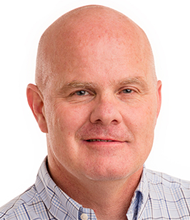

“Brazil is a tropical agriculture ecosystem, and when you start to understand the particularities of this, you start to understand some opportunities. In Brazil, we don’t have winter. We don’t have between four to six months of the year where biological activity is frozen or crawls to a halt. In Brazil, the plant, the pest, the disease, the weed grows all year long. Soil erosion happens all year long. ”
— Francisco “Chico” Jardim
Over the past several weeks, I have had the opportunity to speak with four leaders working at the intersection of capital, climate, and system-level change, each bringing a distinct perspective on what it takes to move from intention to real-world impact.
Across these conversations, we explored everything from outcomes-based financing and government-backed impact models to regenerative finance and ownership structures, to early-stage climate investing in Southeast Asia. What connects them is a shared recognition that the current system, whether ESG frameworks, traditional venture capital, or public spending models, isn’t quite delivering on its promise.
In this episode, I’ve brought together some of the most compelling moments from those discussions. Think of it as a way to step back and see the bigger picture, how different parts of the impact ecosystem are evolving, where the friction still is, and where we might be heading next.
Here are the guests featured in the episode:
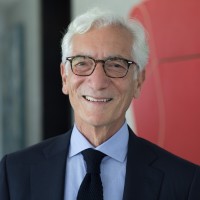
Francisco “Chico” Jardim, General Partner at SP Ventures
Chico has been at the forefront of rethinking how capital can be tied directly to outcomes. In our conversation, he breaks down the architecture of outcomes-based financing, where governments pay for results, service providers deliver impact, and investors fund the upfront risk.
We talked about how this model has scaled globally, why it works best in complex social challenges like homelessness and criminal justice, and what still needs to happen to move from pilots to true system-wide adoption. Chico also shared his perspective on impact transparency and why better data and accountability are critical to unlocking larger pools of capital.
Listen to the full episode here
YouTube episode here
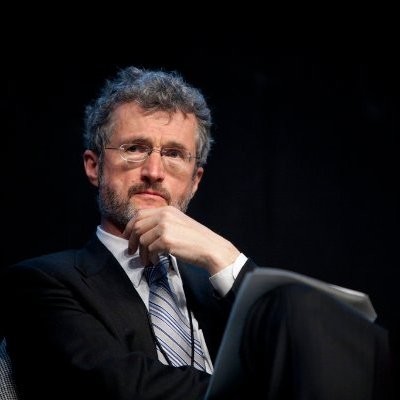
Nick Hurd, Regenerative Finance Investor and Thought Leader
Nick brings a deeply critical lens to traditional ESG and even parts of the impact investing ecosystem. His core argument is simple but uncomfortable: doing “less harm” isn’t the same as creating meaningful positive change.
We explored the difference between surface-level impact and truly transformative or regenerative models, and why the “how” of investing, ownership structures, incentives, and power dynamics matters just as much as the “what.”
Nick also walked through the concept of redeemable equity and why it offers an alternative to the traditional venture model, one that allows founders to retain ownership and build long-term, intergenerational businesses without being forced into exit-driven outcomes.
Listen to the full episode here
YouTube episode here
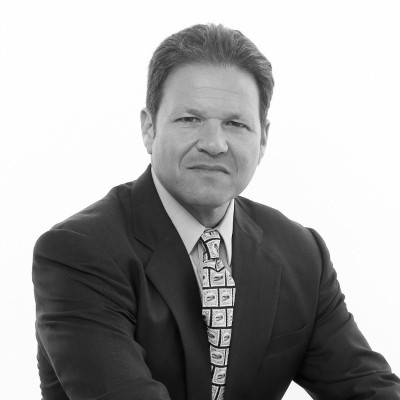
Laura Ortiz Montemayor, Founding Partner at Radical Fund
Laura is focused on one of the most underfunded areas in climate investing: adaptation. While most capital continues to flow toward mitigation, she’s working to back founders building solutions for the climate impacts that are already here.
In our conversation, we unpacked why adaptation is harder to fund, less measurable, and more complex, and how that creates a “missing middle” for early-stage companies. Laura also shared how Radical Fund identifies “non-obvious climate companies,” founders solving real industry problems with embedded climate impact.
We also went deep into how her team measures both commercial performance and climate outcomes, integrating the two into a single framework that operates at the venture, portfolio, and fund level.
Listen to the full episode here
YouTube episode here
Alina Truhina, Founding and Managing Partner at Utopia Capital Management
Throughout these conversations, Alina plays a critical role in connecting the dots, probing where ideas hold up, where they fall short, and how they translate into real-world investment decisions. Alina shares insights about climate adaptation, impact investing, and how venture capital often struggles to understand and engage with regions where climate risk is already part of everyday life.
Alina grew up as a refugee, lived through profound uncertainty as a child, and later worked inside the World Bank on disaster recovery and climate resilience. Those experiences shaped how she thinks about climate finance today. Policy matters, but she saw firsthand how institutional speed, incentives, and capital structures influence what gets built and whether solutions can actually scale.
Listen to the full episode here
YouTube episode here
Taken together, these four perspectives offer a window into a field in transition, one that’s moving beyond labels and frameworks toward deeper questions of structure, accountability, and long-term impact.
If something resonates, I’d encourage you to dive into the full conversations. There’s a lot more beneath the surface.
–
Listen to the episode on Apple Podcasts, Spotify, Overcast, Podcast Addict, Pocket Casts, Castbox, YouTube Music, Amazon Music, or on your favorite podcast platform. You can watch the interview on YouTube here.



What was your favorite quote or lesson from this episode? Please let me know in the comments.
SHOW NOTES:
[18:51] Shift Government Spending From Activity-Based Budgets to Outcomes-Based Payments Using Social Impact Bonds
[31:52] Mobilize Domestic Capital in Emerging Economies
[43:11] Move Beyond ESG Neutrality: Impact Requires Regeneration
[01:01:20] Prioritize Climate Adaptation in Regions Already Experiencing Climate Impact
[01:06:26] Integrate Climate and Commercial Metrics Through Unified Performance Frameworks
MORE QUOTES FROM THE INTERVIEWS:
“The sustainability bridge or what we’re promising with all of these ESGs, we’re only promising survival, and we’re only promising neutrality. We’re not acknowledging the historical debt that we have to nature and to society. Neutrality falls very short. We need to restore. We need to heal. We need to do so much more than neutrality. ”
— Nick Hurd
“It’s quite obvious now that Southeast Asia as a region is one of the most vulnerable regions in the world due to climate change. The thing that really blows my mind is when I talk to people or talk to climate skeptics, it is visible in that we can see the rising sea levels. We can see the flooding. We can feel the stress that comes from heat waves. ”
— Laura Ortiz Montemayor
“The impact task force has been working closely with institutions like the ISSB and the International Foundation for Valuing Impacts. These groups are trying to move us from what you’ve called ‘impact as PR’ to ‘impact as math.’ What do you mean by that? And are we actually getting closer to a world where we have globally consistent impact reporting that institutional investors can trust and use, or are we still stuck in a fragmented, too-many-frameworks reality? ”
— Alina Truhina