“The biggest, dirtiest secret of the energy sector that I’ve learned over the last 17 years – most of it’s wasted. ”
— Jonathan Maxwell
We’ve spent decades talking about the shift to renewables – building more wind, more solar, more clean energy capacity. And that’s important. But it’s also only half the story.
Because once that energy is generated, what happens next is where things start to get complicated – how it’s stored, how it’s moved, and how much of it actually gets used. Right now, the answer to that last question is… not much. In fact, the majority of global energy still gets lost before it ever reaches an end user.
This week, we’re revisiting two past conversations – both of them centered on the part of the energy transition most people don’t see.
One looks at the massive, under-addressed problem of energy waste – and the business models turning that waste into investment-grade infrastructure. The other zooms in on large-scale battery storage and what it takes to keep a renewable-heavy grid stable.
These are two very different approaches to the same problem: not just how we generate clean energy, but how we manage it after it’s made. Because if we don’t solve that part, the rest doesn’t work.
Here are the featured guests:
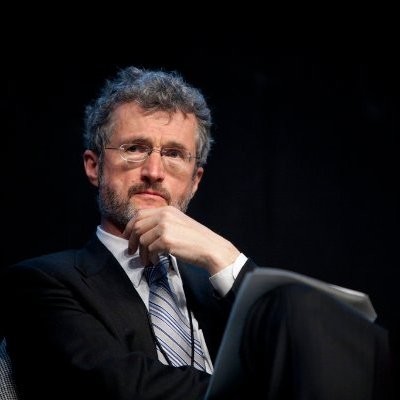
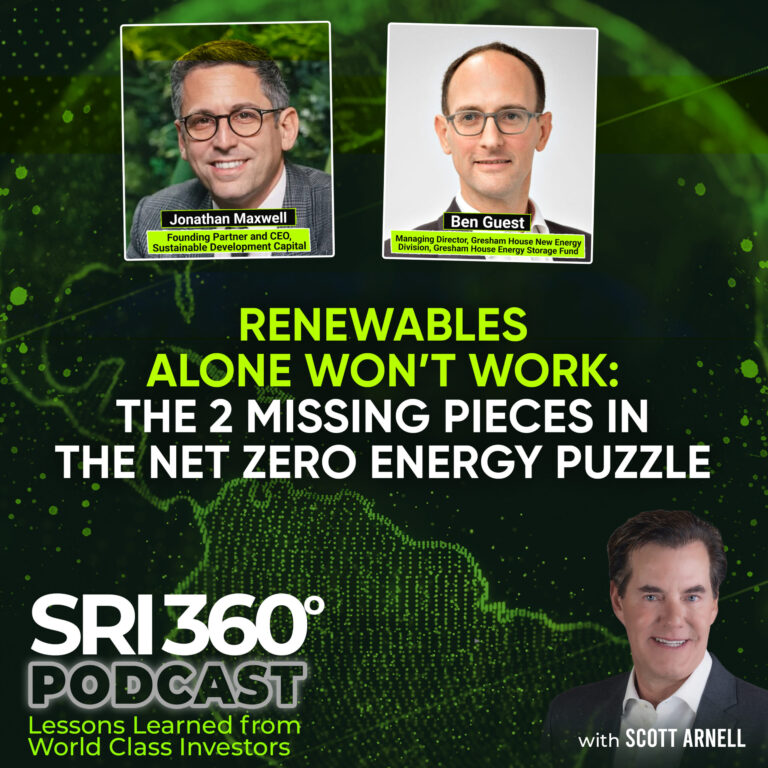
Jonathan Maxwell, Founding Partner and CEO, Sustainable Development Capital (SDCL)
Jonathan Maxwell founded Sustainable Development Capital with a simple observation: the world isn’t just short on clean energy – it’s wasting most of the energy it already has. While the market poured trillions into new renewables, Jonathan zeroed in on the overlooked half of the story: how energy is used, moved, and lost before it ever reaches the point of need.
He started SDCL in 2007 as an advisory shop, designing environmental infrastructure funds for clients like HSBC and the World Bank. But by 2012, the firm became an investor, building and financing projects that cut waste, generate energy on-site, and make buildings, industry, and transport far more efficient.
Today, SDCL manages over $2.5 billion in assets across 50,000 properties in 10 countries. Their portfolio spans everything from capturing waste heat in U.S. steel mills… to running Stockholm’s gas grid on reclaimed biogas… to powering hyperscale data centers with on-site, low-carbon energy.
The common thread is delivering cheaper, cleaner, more reliable energy, without requiring customers to put up the capital themselves.
For Jonathan, sustainability is synonymous with resource efficiency. In his view, reducing the 75% of the world’s energy that’s wasted is the fastest, most cost-effective climate solution we have. And SDCL’s work proves it can be done – cutting carbon and lowering costs at the same time.
Full episode here.
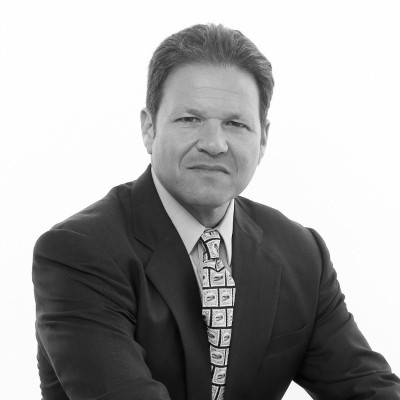
Ben Guest, Managing Director, Gresham House New Energy Division, Gresham House Energy Storage Fund
Ben Guest leads Gresham House’s New Energy Division, home to the UK’s largest battery storage portfolio. His team controls close to a quarter of the market – a position built on one core idea: if renewables are going to power the future, they need somewhere to live when the sun’s not shining and the wind’s not blowing.
Battery storage is that missing piece.
Because wind and solar don’t produce power all the time. But the grid still has to stay balanced every second of every day. That’s what these battery projects do – they take in power when there’s too much, release it when there’s not enough, and do it over and over, many times a day.
Ben’s team is hands-on from start to finish. They find the sites – often near key substations – get the planning and grid connections in place, oversee construction, run the operations, and work with specialist optimizers to trade the power for the best returns.
At the time of this conversation, they were managing more than £1.4 billion, with returns well above their 10% target for two years in a row.
For Ben, the mission is clear: build the storage backbone that will help renewables grow from today’s levels to about 70% in the next five years—without breaking the grid. Because in the transition to clean energy, generating power is only half the story. Storing it is what makes the rest possible.
Full episode here.
Listen to the episode on Apple Podcasts, Spotify, Overcast, Podcast Addict, Pocket Casts, Castbox, YouTube Music, Amazon Music, or on your favorite podcast platform. You can watch the interview on YouTube here.



What was your favorite quote or lesson from this episode? Please let me know in the comments.
SHOW NOTES:
[00:00] Introduction
[04:27] SDCL’s early days and original business focus
[08:25] Jonathan’s definition and philosophy of sustainability
[11:35] Global scale and causes of energy waste
[14:34] SDCL’s mission, activities, and growth timeline
[27:21] Geographic footprint and key operating regions
[29:12] Theory of change addressing efficiency and waste
[32:41] Practical example of efficiency investment model
[41:32] Typical end users and project portfolio examples
[50:49] Overview of Gresham House and sustainability focus
[56:16] Introduction to battery storage and grid balancing
[01:04:51] Diversified revenue streams and battery project management
[01:09:46] Project development from land rights to construction
[01:20:59] International expansion and market transferability
[01:24:46] Policy changes and grid operator capability risks
[01:29:39] Environmental impact and responsible supply chain efforts
MORE QUOTES FROM THE INTERVIEWS:
“Renewables can generate anywhere between very close to zero and twice the power the grid can use – sometimes within minutes. Without storage, that means wasting massive amounts of clean energy. ”
— Ben Guest
“Sustainability, for me, is synonymous with resource efficiency. ”
— Jonathan Maxwell