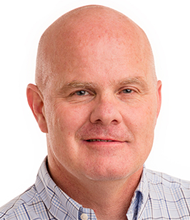
“Talent is clearly everywhere, but opportunity is not. There are historic and systems-level factors that brought us here. Bold leadership has been lacking – until now. We’re finally taking steps to democratize access to capital, and it’s long overdue. If entrepreneurs are to be true change agents, it must include everyone. ”
— Nasir Qadree
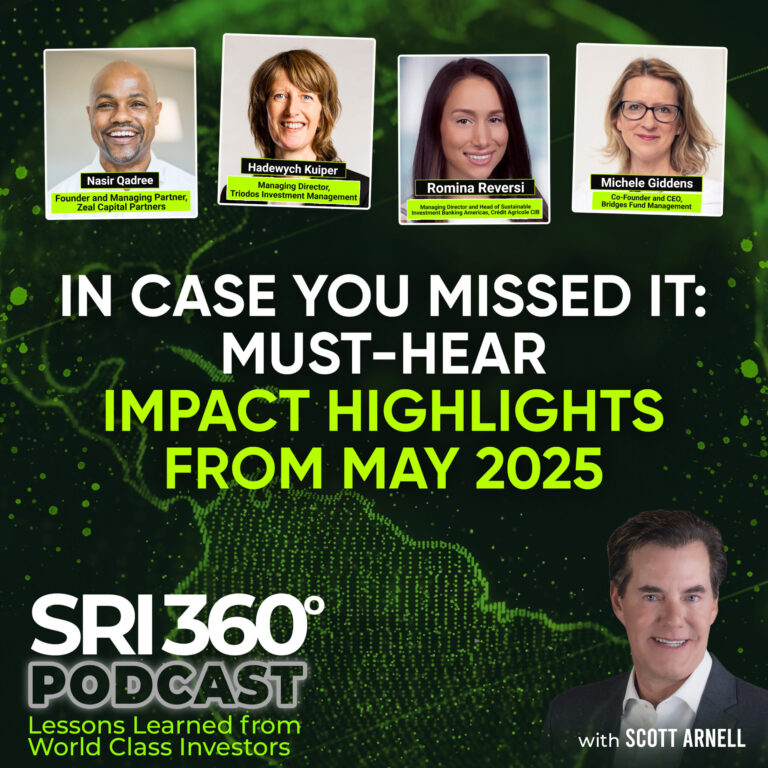
In May, I spoke with four leaders who are reshaping what finance can do – and who it can serve.
Each of them made the case that capital doesn’t just respond to change – it can drive it. But only if we’re intentional about where it flows.
We talked about pushing money into overlooked founders and regions, using green bonds to break new ground in climate and nuclear finance, putting catalytic capital to work where commercial funding won’t go, and embedding social impact deep into the DNA of investment firms.
In this compilation episode, I’ve pulled together the most powerful ideas, turning points, and takeaways from those conversations. If something resonates, you can dive deeper – the links to each full episode are below.
Here are the featured guests:
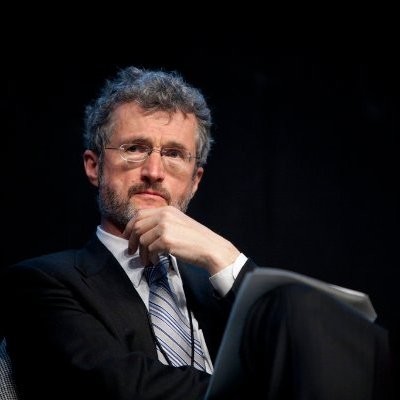
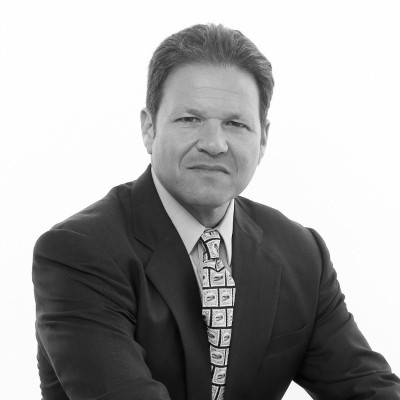
Nasir Qadree, Founder and Managing Partner of Zeal Capital Partners
Nasir launched Zeal in early 2020 – right as the pandemic began. For many, it seemed like the worst possible timing. For him, it was exactly the right moment.
He saw a market that wasn’t working for most entrepreneurs – and a venture ecosystem that kept recycling capital into the same places, the same profiles, and the same narrow definitions of potential.
Zeal’s model is built around what Nasir calls “inclusive investing” – a five-part framework designed to widen the lens on where and how capital gets deployed. And it’s not charity.
The idea is simple: start with a diverse investment team, back underrepresented founders, look beyond the traditional power centers, go deep in sectors like fintech, education, and health equity, and focus on businesses driving systems-level change.
This isn’t lowering the bar. It’s discovering value where others aren’t even looking. For Nasir, that’s exactly the blueprint for the next wave of investing.
Full episode here.
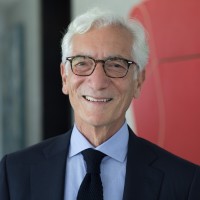
Hadewych Kuiper, Managing Director at Triodos Investment Management
Hadewych joined Triodos right as the 2008 financial crisis hit. While other banks were collapsing under the weight of financial engineering, Triodos kept growing – because they weren’t in the business of making money with money. Their investments were grounded in the real economy, and that made all the difference.
Today, Hadewych leads the firm’s €6 billion portfolio across what they call five transition themes: food, resources, energy, society, and wellbeing.
Her mission is bigger than impact investing. It’s about transforming the financial sector itself.
That means embedding impact, risk, and return in every decision – not as a trade-off, but as a single, integrated lens. It means making standards open source, building global coalitions, and showing – not just saying – what a values-based financial system looks like.
As she puts it, “We want to change finance to make impact investing the new normal.”
Full episode here.
Romina Reversi, Managing Director and Head of Sustainable Investment Banking Americas at Crédit Agricole CIB
Romina started her career in equity derivatives at J.P. Morgan – a role she calls foundational for everything that came next. But in 2015, she pivoted into a niche team focused on green bonds. She was one of the earliest hires in J.P. Morgan’s ESG debt capital markets group, helping to shape the playbook as they went.
There were no templates, no frameworks, and hardly any precedent. Her team crisscrossed continents, pitching issuers on a new way to connect capital with sustainability. That ground-up experience gave her a front-row seat to the birth of an entire market – and she’s since led or worked on more than 500 sustainable debt deals.
Now at Crédit Agricole, she leads sustainable investment banking for the Americas – overseeing ESG advisory, green and sustainability-linked financing, and supply chain solutions.
Her team helped launch the first U.S. corporate green bond tied to nuclear energy, and structured the world’s first sovereign bond with a step-up/step-down coupon tied to emissions and biodiversity targets.
For Romina, climate is still the core driver. “Climate change, whether we agree or disagree, will continue to be here,” she says. That’s what keeps her pushing to innovate – and to take sustainable finance to its next frontier.
Full episode here.
Michele Giddens, Co-Founder and CEO of Bridges Fund Management
Michele began her career in international development finance, working across emerging markets. But when she returned to the UK in the early 2000s, she saw local communities being left out of economic growth – and a financial system that wasn’t working for everyone.
She was asked to advise the UK Treasury’s Social Investment Task Force, chaired by Sir Ronald Cohen. That experience led directly to the founding of Bridges, with a white sheet of paper and £10 million in catalytic government funding. The idea: to show that financial returns and social impact didn’t have to be at odds.
Today, Bridges has over £2 billion in assets under management across private equity, real estate, and outcomes contracts. Every investment aligns with one of two goals: building a more inclusive economy or a more sustainable planet. Their theory of change is simple – use financial capital to tackle systemic challenges, and value creation will follow.
Bridges looks for businesses with both a clear social mission and the potential to scale. The goal is to support leaders who are building solutions to systemic challenges – and help them grow sustainably. As Michele puts it, “If we want to change the system, we need to build businesses that prove this approach works.”
Full episode here.
Listen to the episode on Apple Podcasts, Spotify, Overcast, Podcast Addict, Pocket Casts, Castbox, YouTube Music, Amazon Music, or on your favorite podcast platform. You can watch the interview on YouTube here.



What was your favorite quote or lesson from this episode? Please let me know in the comments.
SHOW NOTES:
[00:00] Introduction
[05:33] Starting Zeal Capital in the 2020 pandemic
[09:31] Zeal’s mission: equitable access to capital
[18:36] Zeal’s three investment verticals
[23:32] Five-pronged inclusive investing framework
[26:43] Challenges and support for overlooked founders
[31:18] Importance of post-investment support
[33:51] Triodos Investment Management – high-level overview
[38:12] Triodos’ theory of change
[47:05] Five transitions guiding all investments
[51:30] Changing finance beyond direct investments
[54:25] Joining JP Morgan’s ESG team in 2015
[56:26] Challenges of building green bond frameworks from scratch
[57:59] What green and sustainability-linked bonds actually are
[01:01:04] Scope of sustainable banking at Crédit Agricole
[01:07:13] Uruguay’s step-up/step-down bond structure
[01:11:35] Including nuclear in Crédit Agricole’s green bond framework
[01:22:19] Romina’s future vision for sustainable finance
[01:27:00] Founding Bridges Fund Management with Sir Ronald Cohen
[01:31:22] Early skepticism and securing catalytic capital
[01:35:08] Bridges’ dual mission: inclusion and sustainability
[01:38:17] The Spectrum of Capital and its global impact
[01:41:03] Linking climate and social equity through just transition
[01:50:02] Debunking the returns vs. impact myth
[02:00:10] The future of impact investing
MORE QUOTES FROM THE INTERVIEWS:
“It’s not about the first innovator. We need them to make the wave, to make the difference. But it’s actually the first followers who make the large group change. ”
— Hadewych Kuiper
“If climate is impacting the bottom line of companies, of sovereigns – which it is and will continue to do so in the next five, 10, 15, 20 years – climate change, whether we agree or disagree, will continue to be here. ”
— Romina Reversi
“At Bridges, we believe building a more sustainable and inclusive economy isn’t just a moral or ecological imperative – it’s also a unique opportunity to create lasting economic and social value. ”
— Michele Giddens