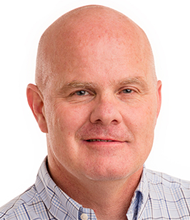
“The social impact investment market needs to go from a few billion to several tens of billions to be anywhere near tackling the homelessness challenge we’ve got in the UK, which is arguably the worst homeless challenge in Europe. ”
— Stephen Muers
This 4-in-1 compilation episode is about capital that doesn’t flow on its own. It has to be pushed into places with no pitch decks and no polished management teams. The places where spreadsheets say “too risky,” but the need is obvious to anyone paying attention.
Community investing is what happens when you decide “to put your money where banks won’t.” It’s about channeling capital into overlooked corners – rural housing, microfinance in Africa, UK charities – often places that sit in the “too complex, too small, too risky” bucket for mainstream investors.
This is capital for the common good, yes – but it’s also capital that works. These aren’t grants. These are investments with measurable returns and track records to prove it.
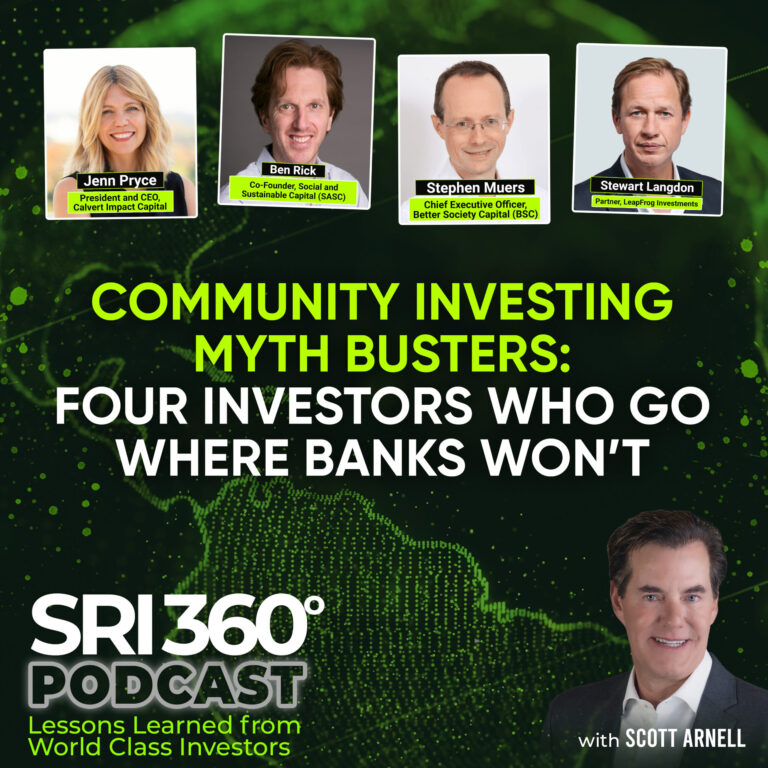
In this episode, we revisit conversations with four guests who’ve built the policies and portfolios to make this kind of capital move.
Here are the featured guests:
Jenn Pryce, President and CEO of Calvert Impact Capital
Jenn describes Calvert Impact Capital as a bridge between retail capital and the places banks won’t go – solar in Sub-Saharan Africa, affordable housing in the U.S., even sovereign bonds too small for Wall Street to care about. With over $2.5 billion raised, their flagship Community Investment Note is accessible for as little as $20.
For Jenn, community investing isn’t about beating the market – it’s about redefining it. “We’ve learned the risk isn’t where people think it is,” she says. By working through local intermediaries and building data-driven track records, Calvert helps prove what’s possible.
That’s the model: go in early, take the risk, build the case – and step aside when the mainstream finally catches up. When commercial banks begin lending into a once-ignored market, that’s not an exit – it’s a signal that the next “uninvestable” space is ready to be opened.
Full episode here.
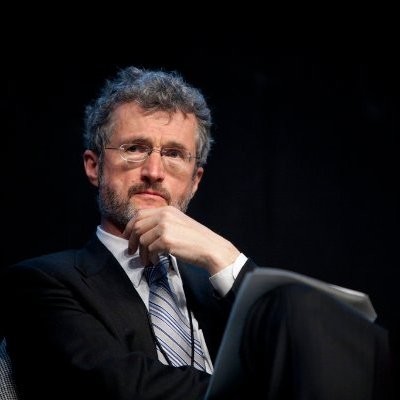
Ben Rick, Co-Founder of Social and Sustainable Capital (SASC)
Ben left the City not because he couldn’t succeed there – but because he did. After years at Goldman, UBS, and Lehman, the returns stopped justifying the worldview. “Surely there’s something I can do that’s better than this,” he told himself.
That became Social and Sustainable Capital, a private credit fund lending to UK charities – no shareholders, no profit motive, but plenty of contracts to deliver critical services.
These aren’t grants. This is community investing: directing capital to frontline organizations rooted in their neighborhoods. SASC backs groups supporting domestic abuse survivors, people with disabilities, and youth exiting care – organizations with steady revenue but little access to traditional finance.
Ben’s learned that the real risk isn’t lending to charities – it’s assuming they’re bad bets. “Some of these are the best-run businesses I’ve ever met,” he says. “They’re not built to maximize profit – they’re built to serve.”
Full episode here.
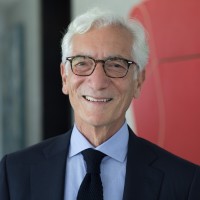
Stephen Muers, Chief Executive Officer of Better Society Capital
Stephen Muers came to Better Society Capital after a high-level government career – and brought with him a systems brain. At BSC, the mission isn’t just to make good investments. It’s to make social investment possible at scale.
BSC operates at the wholesale level, backing funds that then invest in frontline charities, social enterprises, and mission-driven lenders. They started with £600 million – £400 million from dormant bank accounts, the rest from high street banks looking to rebuild trust post-crisis. That long-forgotten money now supports social housing, domestic abuse shelters, and community banks across the UK.
But BSC’s north star isn’t portfolio growth – it’s market transformation. In 10 years, they’ve helped grow the UK social investment market 12-fold. And yet, it still isn’t enough. The capital’s growing – but not at the pace the problems demand.
Full episode here.
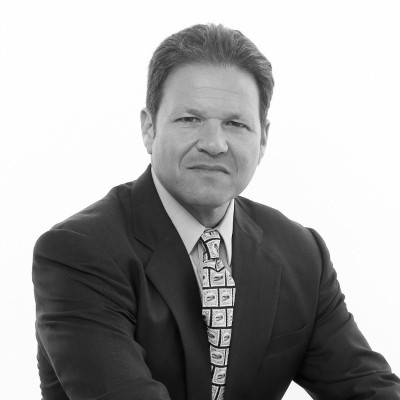
Stewart Langdon, Partner and Co-Head of South Asian Investments at LeapFrog Investments
Stewart joined LeapFrog early, back when the firm was still raising its first fund. He came in to help move serious capital into places most investors overlook – India, Sub-Saharan Africa, Southeast Asia – and do it in a way that actually reaches people.
LeapFrog started with insurance. Not because it was easy, but because it mattered. Health shocks, accidents, lost assets – these were the things pulling families back into poverty. Then came credit. Then healthcare. Same model each time: back companies already trusted in their communities, and help them grow.
This is community investing – but at private equity scale. They don’t do everything. Just finance and health. Just in places where the need is urgent and the systems are thin.
Stewart’s team doesn’t track success by headlines. They track it by reach. If a company can’t help move the needle toward 100 million low-income people served, it doesn’t make the cut.
Full episode here.
Listen to the episode on Apple Podcasts, Spotify, Overcast, Podcast Addict, Pocket Casts, Castbox, YouTube Music, Amazon Music, or on your favorite podcast platform. You can watch the interview on YouTube here.



What was your favorite quote or lesson from this episode? Please let me know in the comments.
SHOW NOTES:
[00:00] Introduction
[04:08] Calvert’s mission and organizational structure
[05:27] How the Community Investment Note works
[09:02] How Calvert fits into the impact investing ecosystem
[11:49] What sets Calvert’s distribution model apart from peers
[24:48] Calvert’s due diligence process
[30:44] Calvert’s approach to measurement and management
[34:10] Ben Rick’s shift from finance to social impact
[39:32] SASC – a high-level overview
[43:04] Supporting charities with revenue, not just donations
[50:39] SASC’s innovative performance-based mortgage model
[58:48] Hull Women’s Network case study
[01:05:24] SASC’s ‘secret sauce’ – balancing purpose and profit
[01:09:51] Stephen Muers’ leap from government to social impact investing
[01:10:10] How Better Society Capital defines and drives social impact
[01:15:50] BSC funding structure and capital providers
[01:21:40] BSC’s investment strategy and 4 investment pillars
[01:35:08] BSC’s impact philosophy
[01:41:15] LeapFrog’s mission and definition of impact investing
[01:43:25] Focusing on low-income markets
[01:52:14] LeapFrog’s ‘secret sauce’ – no trade-offs between impact and returns
[01:58:43] How Bima and WorldRemit scaled digital services for underserved consumers
[02:05:16] Technology, risks, and future opportunities
MORE QUOTES FROM THE INTERVIEWS:
“If we can create impact funds, financial institutions in communities where there’s not good access to capital, if we can capitalize them, then that’s a sustainable, reliable capital source for those businesses in place. ”
— Jenn Pryce
“The secret sauce for SASC…is being credible to both organisations that are motivated almost entirely by purpose – and in some cases may even find profit quite a challenging concept – and investors who are increasingly interested in purpose, but ultimately, there’s an underlying financial incentive. ”
— Ben Rick
“LeapFrog’s investment evaluation process isn’t just old-fashioned private equity with some impact lipsticks at the end. The impact analysis is just as serious as the financial analysis, and every investment must clear both bars. ”
— Stewart Langdon