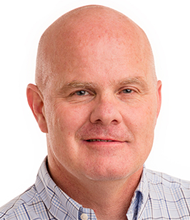

“At EFM, success means leaving a forest financially, ecologically, and socially more valuable than we found it. ”
— Bettina von Hagen
Forestry is often treated as just timber production. But in this 2-in-1 compilation about sustainable forestry, you’ll hear a different way of thinking. One that looks beyond timber to carbon, biodiversity, water, and resilience.
I revisit key moments from two earlier episodes that look at sustainable forestry as a serious investment strategy and a practical example of nature-based investing. They show how forests can deliver competitive returns, hedge inflation, and reduce portfolio risk while addressing climate and biodiversity pressures.
These are highlights from the conversations with Bettina von Hagen and Charlotte Kaiser. Together, they show how decisions made on the ground connect with institutional capital in the real world.
Bettina von Hagen, Managing Director & CEO at EFM Investments & Advisory
Bettina co-founded EFM inside EcoTrust with the conviction that “a natural forest is not just about the timber.” Drawing on her experience coming out of the Pacific Northwest timber wars, she saw early that ecosystem service markets were emerging and that forests could be managed in a way that created “more value for investors, more value for communities, and more value for climate.”
At EFM, she built a timberland investment platform around what she calls optionality. Forests serve as a low volatility, inflation-hedging asset where investors can “store value on the stump,” harvesting when markets are strong and letting trees continue to grow when they are not.
Her approach expands revenue beyond timber into carbon projects and conservation easements, allowing investors to be compensated for longer rotations, higher retention, and reserves that increase resilience.
What comes through clearly is how disciplined the financial lens is. Don’t take on too much debt. Don’t lock yourself into fixed obligations. Build multiple revenue streams. The objective from day one has been to meet or beat the timberland benchmark while managing forests so they are, at exit, “financially, ecologically, and socially more valuable” than when EFM acquired them.
Listen to the full episode here.
YouTube episode here.
Charlotte Kaiser, Head of Impact Finance at BTG Pactual’s Timberland Investment Group (TIG)
Charlotte Kaiser is building an impact strategy across TIG’s entire timberland portfolio, integrating it directly into how investments are screened, prioritized, and managed.
TIG has roughly $6 billion AUM across North and Latin America, made up largely of “very conventional working forests.” These assets have long appealed to pension funds and other institutional investors as long-horizon, cash-yielding real assets used for diversification and as an inflation hedge.
Her role is to look at those same assets and ask a different question: Where can this portfolio generate real climate and biodiversity upside, at scale? For Charlotte, impact goes beyond good forest management. It is about creating additional benefits for nature and communities, and then monitoring those outcomes.
That philosophy shows up in TIG’s investment screening, day-to-day forest management, and how outcomes are measured. Progress is tracked through direct, on-the-ground monitoring, including camera traps for wildlife, twice-yearly water quality testing, and carbon sequestration measured through tree growth.
She is clear that this is not about redefining the asset class, but responding to what investors are already asking of it as climate and biodiversity risks become harder to ignore. Timberland already works as an asset. Impact is about doing more with it. Charlotte makes it clear how.
Listen to the full episode here.
YouTube episode here.
–
Listen to the episode on Apple Podcasts, Spotify, Overcast, Podcast Addict, Pocket Casts, Castbox, YouTube Music, Amazon Music, or on your favorite podcast platform. You can watch the interview on YouTube here.



What was your favorite quote or lesson from this episode? Please let me know in the comments.
SHOW NOTES:
[00:00] Introduction
[03:41] Sustainable forestry investing explained
[06:25] How EFM evolved from EcoTrust into a dedicated forest manager
[10:05] Forestry as an asset class and why timberland attracts investors
[15:38] Why the Pacific Northwest is unmatched for natural forestry
[21:13] Climate-smart forestry explained through the five Rs framework
[33:52] How EFM delivers competitive returns for investors
[35:07] How the Meta carbon agreement made the Olympic Peninsula deal possible
[40:10] How BTG Pactual and TIG fit into global timber investing
[45:27] Why timberland works as a long-term investment asset
[46:55] What impact investing means in commercial forestry
[55:25] How climate risk and wildfire are managed in forestry
[59:48] Balancing financial returns with biodiversity recovery
MORE QUOTES FROM THE INTERVIEWS:
“TIG’s mission is to sustainably manage its timberland portfolio beyond industry best practice and deliver positive outcomes for nature and climate. ”
— Charlotte Kaiser
“At EFM, every action we take starts with how our investors are going to be compensated for that action. ”
— Bettina von Hagen